Cildo Meireles
biografiaFontes
edition of 100
20.3 ø cm
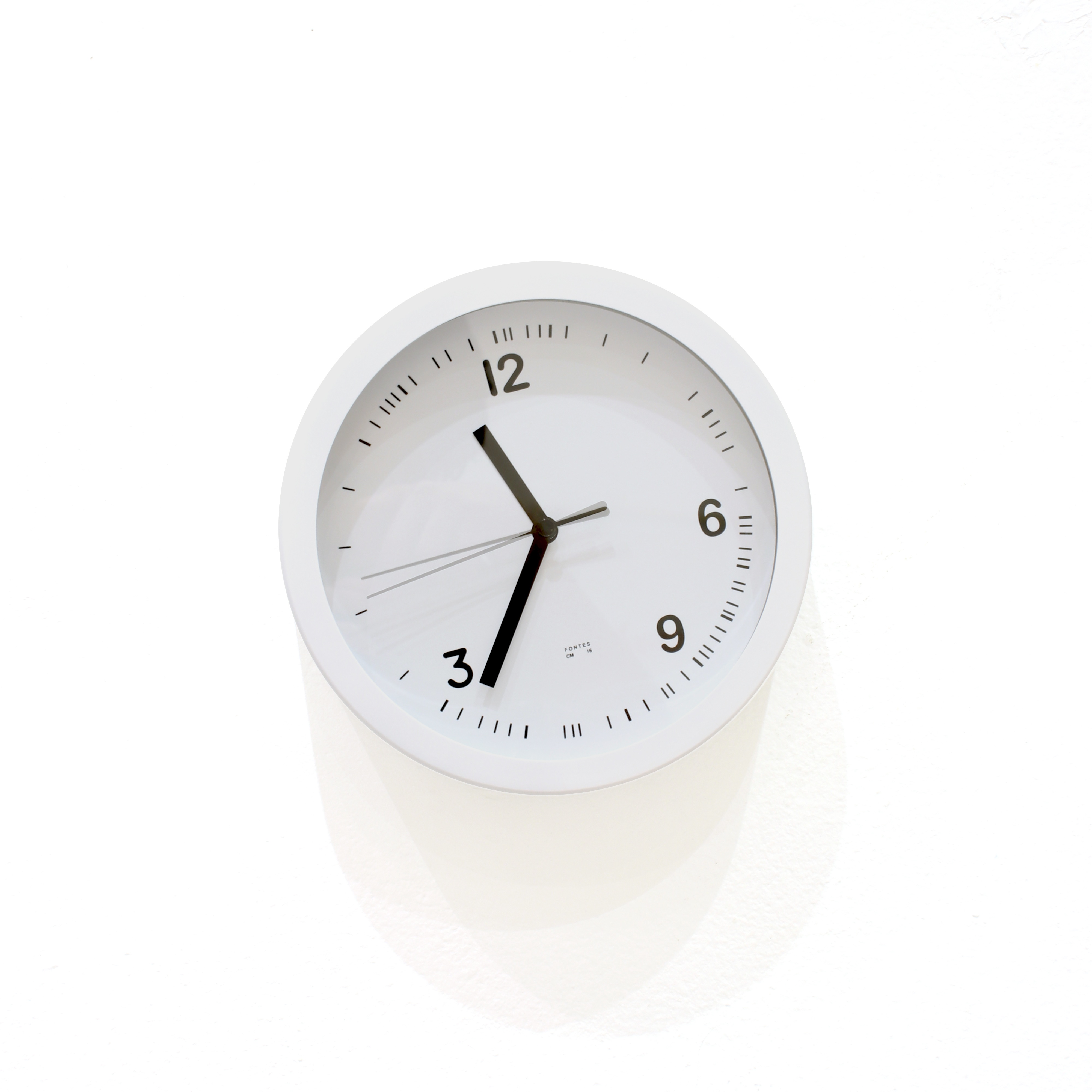
Cildo Meireles (b. 1948, Rio de Janeiro, Brazil) is a multimedia artist. He began his art studies in 1963 at the Cultural Foundation of the Federal District in Brasília, under the guidance of Peruvian ceramicist and painter Francisco Barrenechea (b. 1921), initially creating drawings inspired by African masks and sculptures. In 1967, he moved to Rio de Janeiro, where he studied for two months at the National School of Fine Arts (ENBA). During this period, he created the series Espaços Virtuais: Cantos [Virtual Spaces: Corners], comprising 44 projects exploring spatial issues that were further developed in Volumes Virtuais [Virtual Volumes] and Ocupações [Occupations] (both 1968–1969). In 1969, he co-founded the Experimental Unit of the Museum of Modern Art of Rio de Janeiro (MAM Rio), teaching there until 1970. The political character of his work is manifest in pieces such as Tiradentes: Totem-monumento ao Preso Político [Tiradentes: Totem-Monument to the Political Prisoner] (1970), Inserções em Circuitos Ideológicos: Projeto Coca-Cola [Insertions into Ideological Circuits: Coca-Cola Project] (1970), and Quem Matou Herzog? [Who Killed Herzog?] (1970). The following year, he traveled to New York, where he worked on the installation Eureka/Blindhotland, the LP Sal sem Carne [Salt Without Meat] (recorded in 1975), and the series Inserções em Circuitos Antropológicos [Insertions into Anthropological Circuits]. Following his return to Brazil in 1973, he began designing sets and costumes for theater and cinema, and in 1975 became one of the editors of the art magazine Malasartes. He developed series of works inspired by paper currency, such as Zero Cruzeiro and Zero Centavo (both 1974–1978) or Zero Dólar [Zero Dollar] (1978–1994). In other works, he investigates units of measurement for space and time, as seen in Pão de Metros [Meter Bread] (1983) and Fontes [Sources] (1992). In 2000, publisher Cosac & Naify released the monograph Cildo Meireles, originally published in London in 1999 by Phaidon Press Limited. He has participated in the Venice Biennale (1976); the Paris Biennale (1977); the São Paulo Biennial (1981, 1989, and 2010); the Biennale of Sydney (1992); the Istanbul Biennial (2003); the Liverpool Biennial (2004); the Medellín Biennale (2007); and the Mercosul Biennial (1997 and 2007); as well as Documenta in Kassel (1992 and 2002). Major retrospectives of his work have been held at the IVAM Centre del Carme in Valencia (1995); The New Museum of Contemporary Art in New York (1999); Tate Modern in London (2008); and the Museum of Fine Arts, Houston (2009). In 2008, he received the Velázquez Award for Plastic Arts, conferred by the Spanish Ministry of Culture. In 2009, the feature-length documentary Cildo, directed by Gustavo Moura, was released, focusing on his artistic production.
Source: Itaú Cultural